Diabetic Foot Treatments
Diabetic foot infection, non-healing wounds, bone infection, debridement, offloading and revascularization: assessment and treatment approach in Istanbul.
Diabetic foot treatment is not a single procedure; it is the combined management of infection, circulation, wound care, offloading and blood sugar control. The pages below explain the most common situations and the main methods used in treatment, in plain language. Prof. Dr. Aytaç Çetinkaya, an Infectious Diseases specialist in Istanbul, assesses the infection side of this process; the other steps are planned together with the relevant specialties.
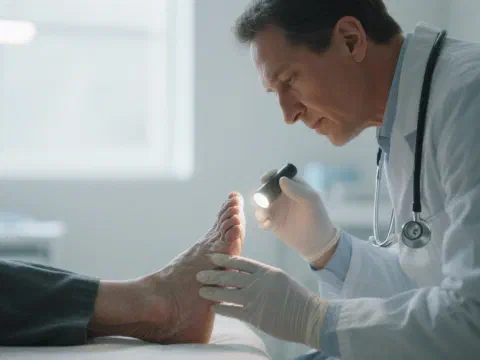
Diabetic Foot Infection
What a diabetic foot infection is, how to spot it, which tests are done and how treatment is planned, as seen by an infectious diseases specialist.
Read more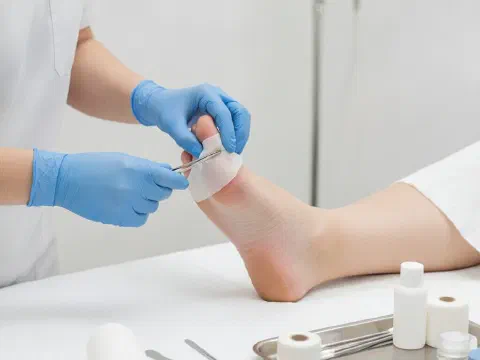
Non-Healing Foot Wound
Why does a diabetic foot wound fail to heal? Assessment of hidden infection, circulation, pressure and blood sugar, and what needs to be done.
Read more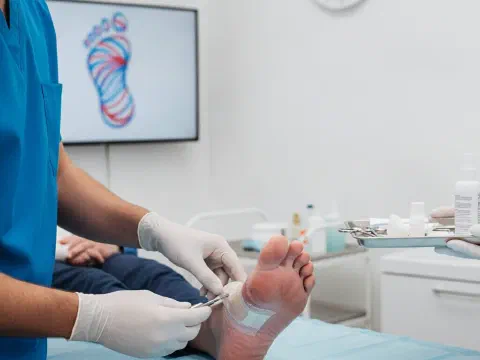
Bone Infection in the Diabetic Foot (Osteomyelitis)
How is bone infection (osteomyelitis) in a diabetic foot wound recognised, which tests are done, and is treatment without surgery possible?
Read more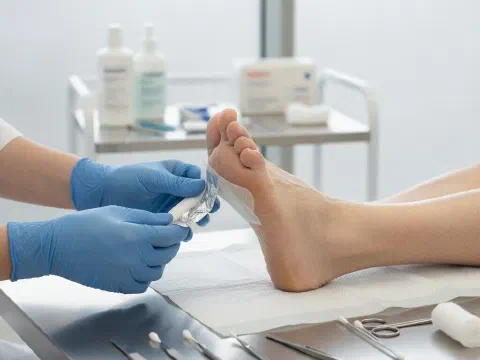
Wound Debridement
What is debridement, why does a diabetic foot wound need it, how is it done and when is caution required? Plain information on wound cleaning.
Read more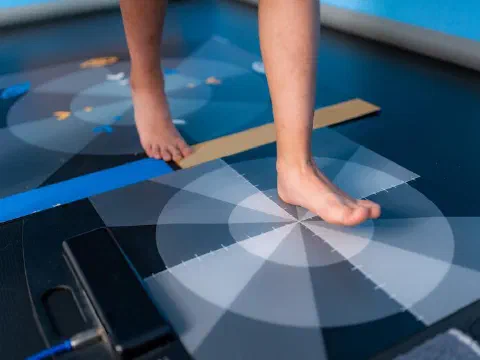
Offloading the Diabetic Foot
What is offloading and why is it essential for a diabetic foot ulcer? Casts, walker boots and other methods, and what the patient should watch for.
Read more
Vascular Assessment and Revascularization
How is blood flow measured in a diabetic foot wound, and when is revascularization (balloon, stent, bypass) considered? Plain, current information.
Read more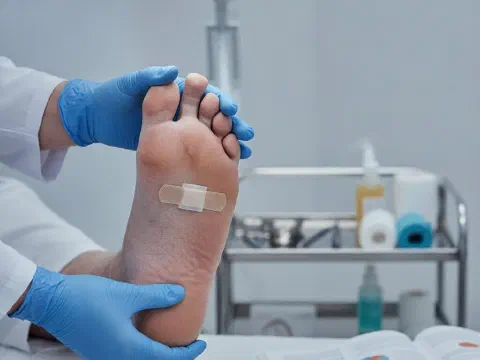
Negative Pressure Wound Therapy
Negative pressure (vacuum) wound therapy in the diabetic foot: who it is considered for, who it is not, how it is applied and what to watch for.
Read more
Hyperbaric Oxygen Therapy
Hyperbaric oxygen therapy for diabetic foot wounds: when it may be considered, how sessions work, and its limits and risks, in plain language.
Read moreThis page is for general information only and does not replace an examination, diagnosis or treatment. In an emergency, call your local emergency number or go to the nearest emergency department.